Glowing Oceans: a deep-sea art book of 101 glowing creatures
An illustrated atlas of the deep sea and its bioluminescent animals, in 303 plates, with checked facts, maps, six signs on every creature and 294 sources.
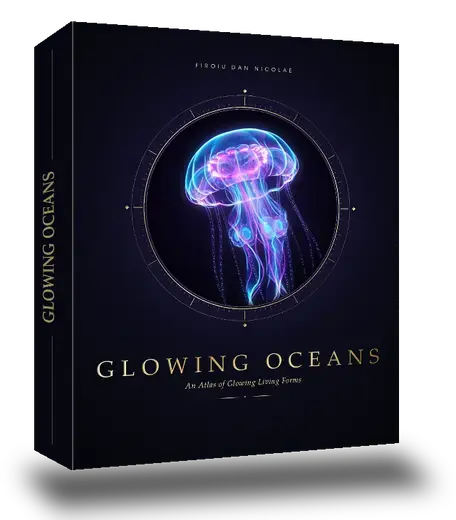
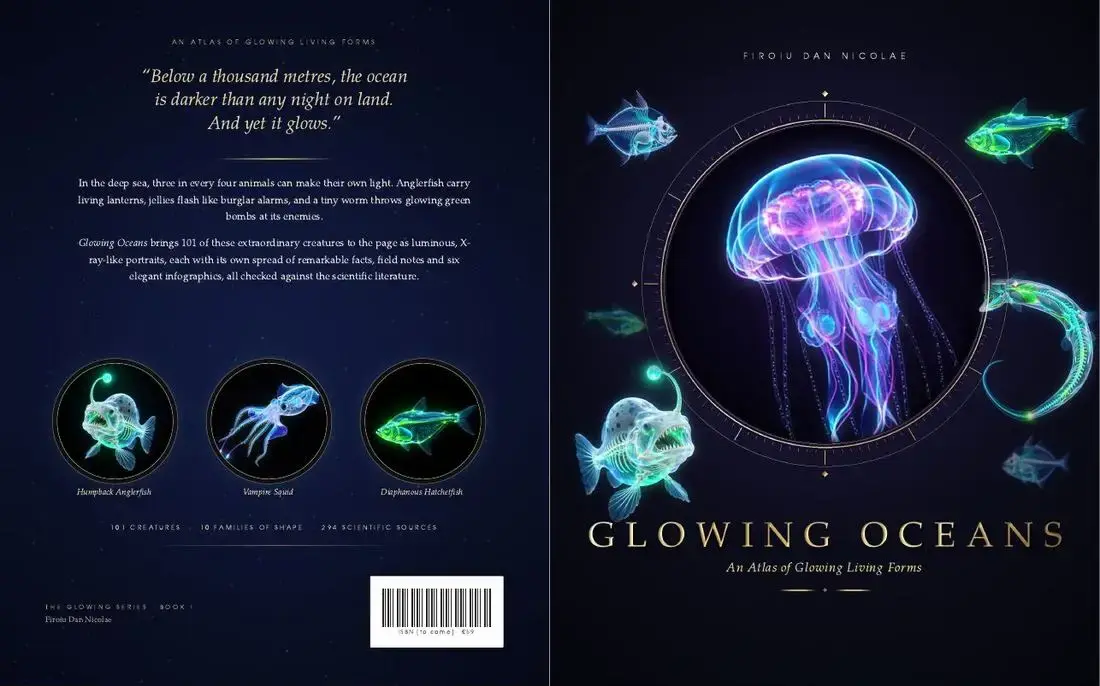
Glowing Oceans
An Atlas of Glowing Living Forms
Text and 303 plates by Firoiu Dan Nicolae
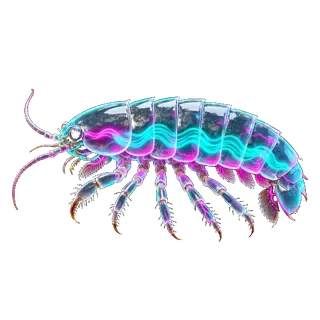
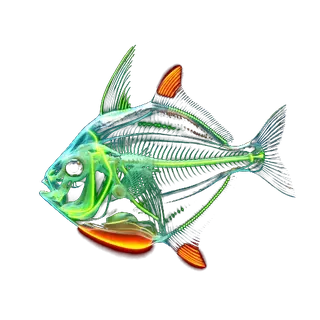
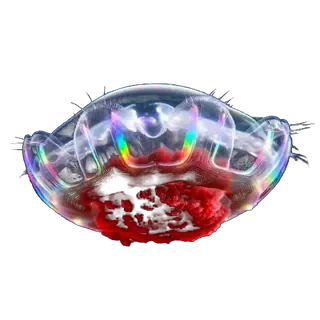
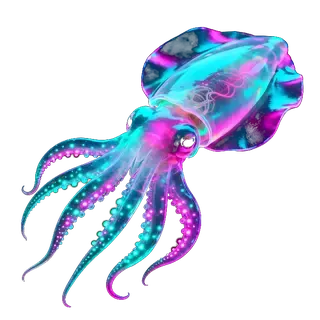
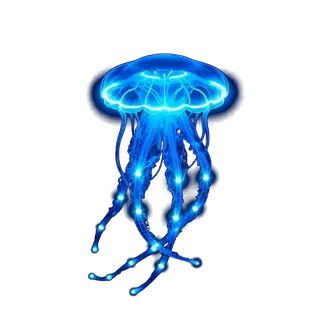
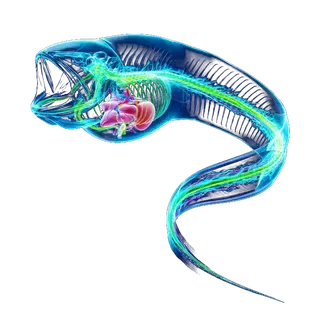
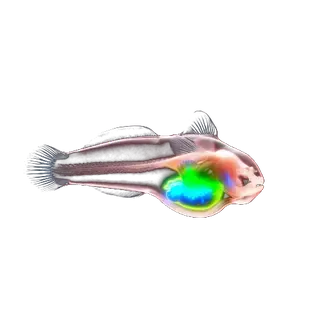
101 of the deep sea's most extraordinary creatures, shown as glowing portraits and explained in plain language, arranged in ten families of shape, such as Lantern Spheres & Balloons and Ghostly Phantoms. It is a gallery to browse, not a textbook.
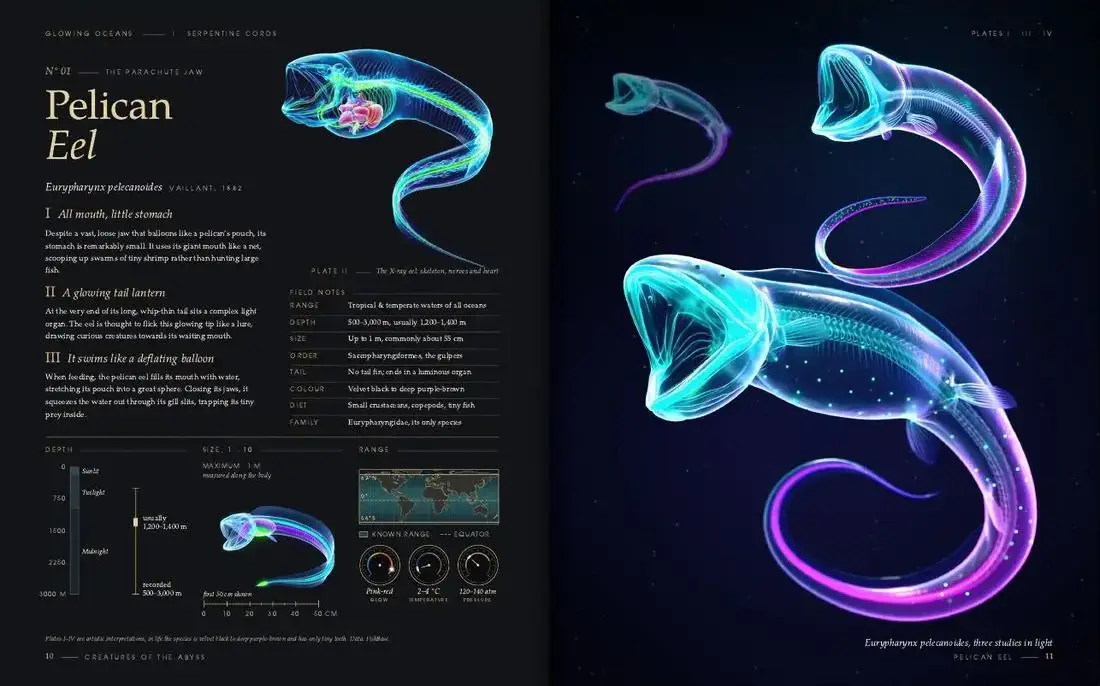
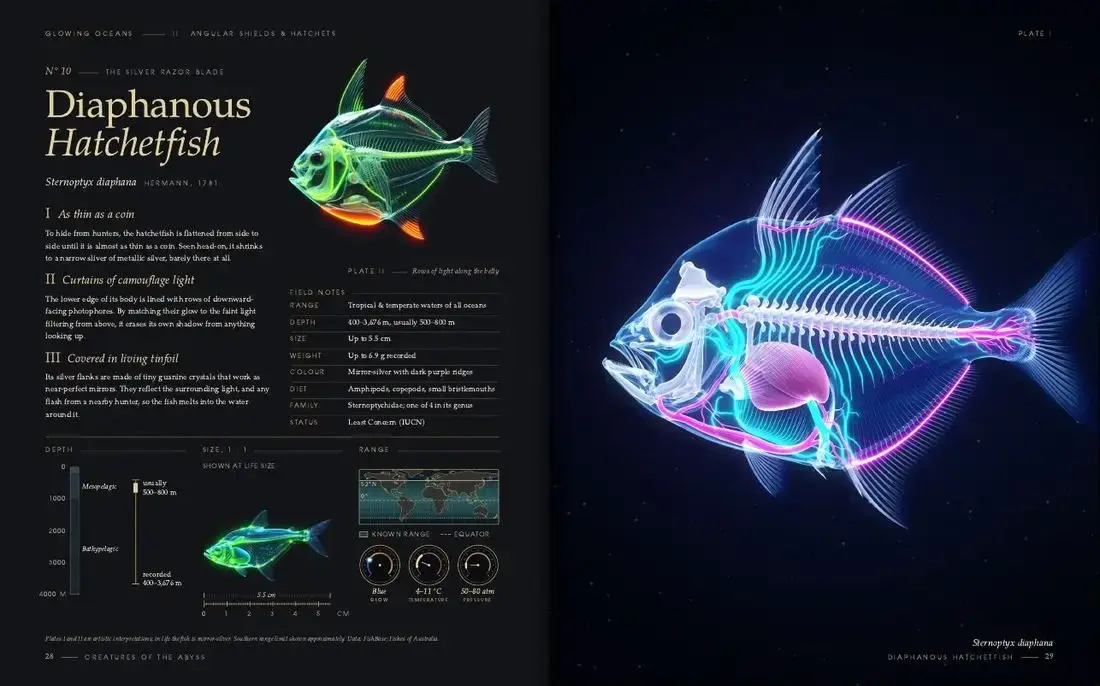
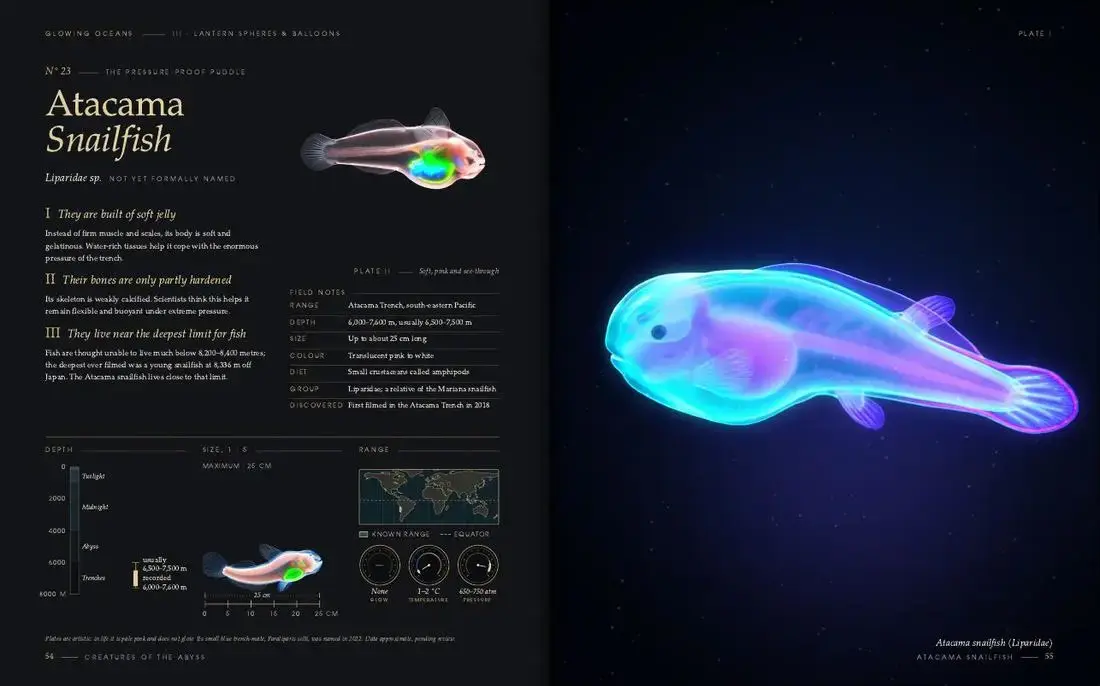
Every creature has the same six infographics: depth, size, range, glow, water temperature and pressure, so readers can compare them at a glance. Every fact has been checked against scientific databases and studies, and the book lists 294 sources. It has about 228 pages.
The Glowing Series
Glowing Oceans is book I of the Glowing Series. Each atlas can become an exhibition of its own, and the exhibition comes with its book: shown beside the works, presented at the opening and signed by the artist.
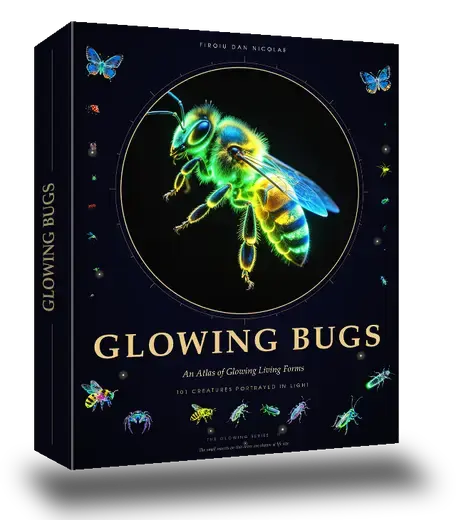
Glowing Bugs
Insects, spiders and other small creatures as living glass.
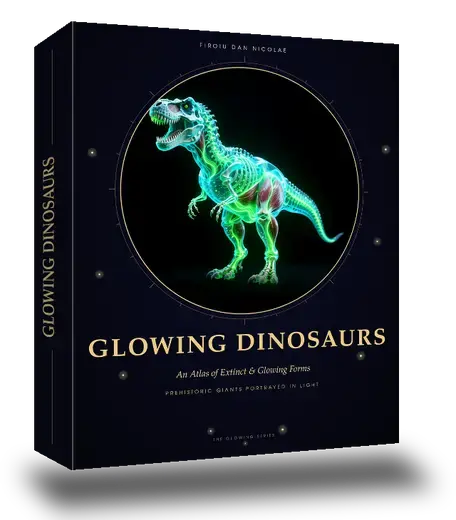
Glowing Dinosaurs
The great reptiles as light and energy.
And more to follow
Glowing Fungi, Glowing Sharks and further titles are planned.
A work of art that can be trusted
The plates are the artist’s vision. Everything printed beside them is natural history: names, measurements, ranges and facts, each one checked. This is how a creature’s pages are built.
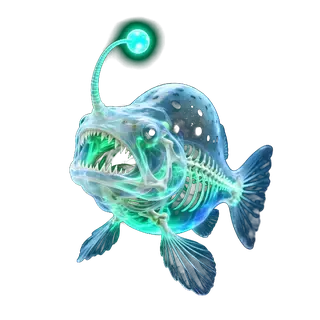
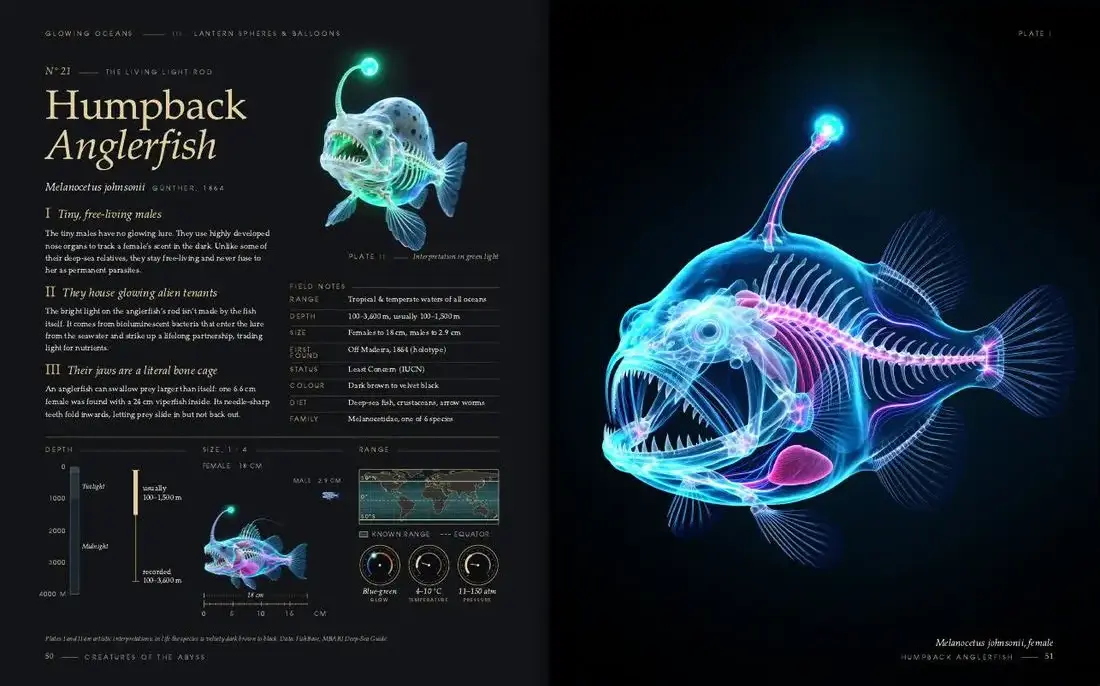 The humpback anglerfish, creature no. 21 of the book: its text page and Plate I.
- 1The number and the shape family
Each creature has its place in the book and its family of shape, one of ten, such as Lantern Spheres & Balloons or Ghostly Phantoms. - 2The common name and the epithet
The name most people know it by, and a name of its own: for the humpback anglerfish, “The Living Light-Rod”. - 3The scientific name
In Latin, checked against the World Register of Marine Species: Melanocetus johnsonii. - 4Three facts
Short, surprising, and written to be read aloud. Each is traced to a source. - 5Field notes
Range, lifespan, size, weight, colour and diet, as a naturalist would note them. - 6The plates
The creature as living glass, and further studies of it, so that each animal has three plates. - 7Life size
The animal drawn at its true size, beside a human hand. - 8The six signs
Depth, size, range, glow, water temperature and pressure, the same on every creature, so that one can be compared with another at a glance. - 9The source
Every measurement and fact has a source, printed at the back of the book.
Turn the pages
Every creature has two facing pages: what is known on the left, the full plate on the right.
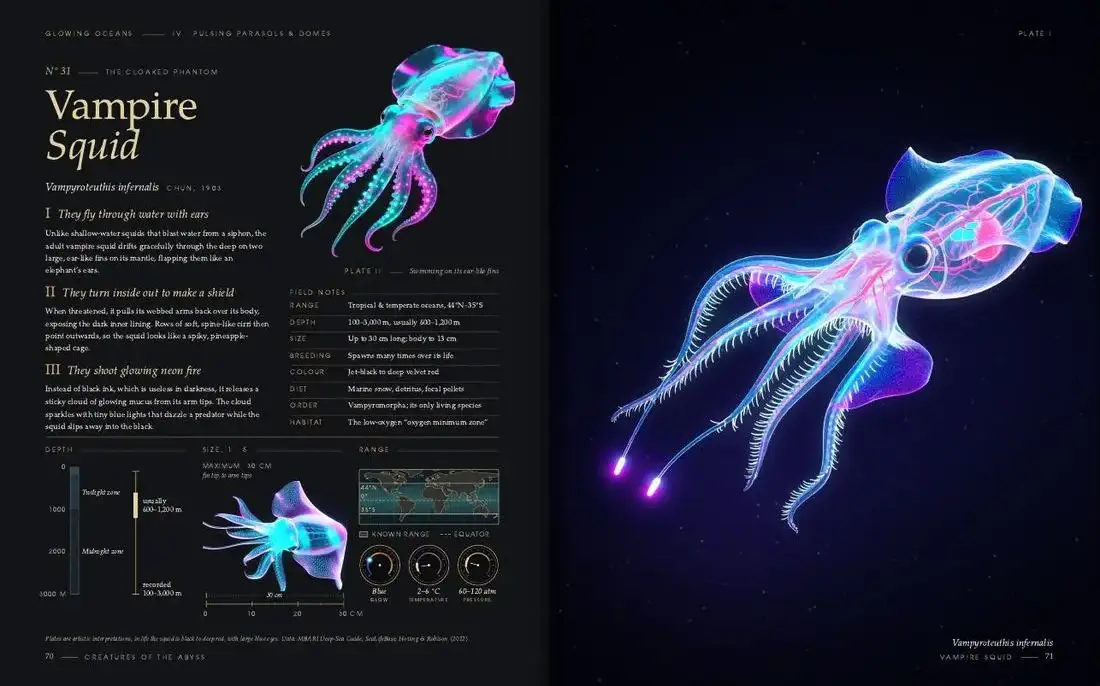
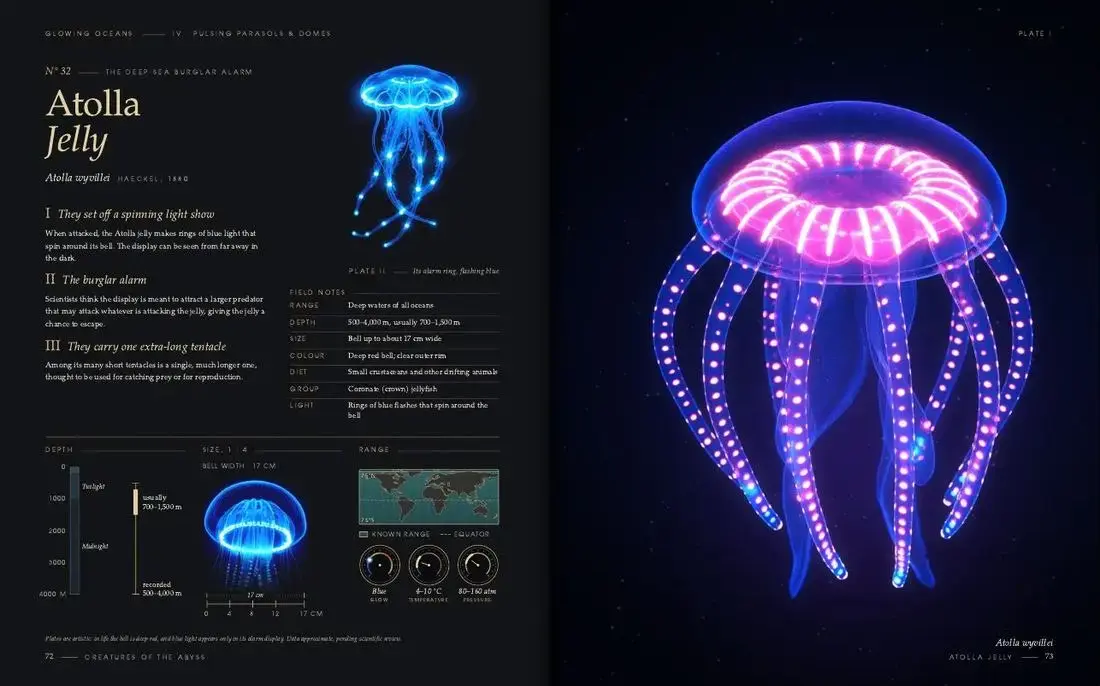
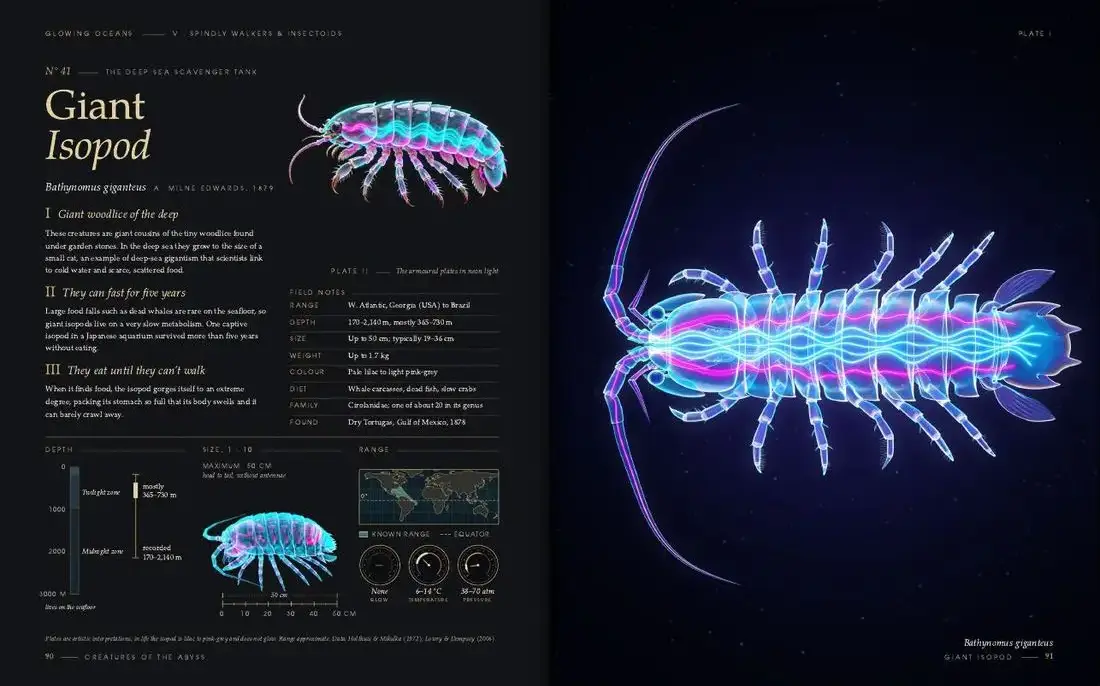
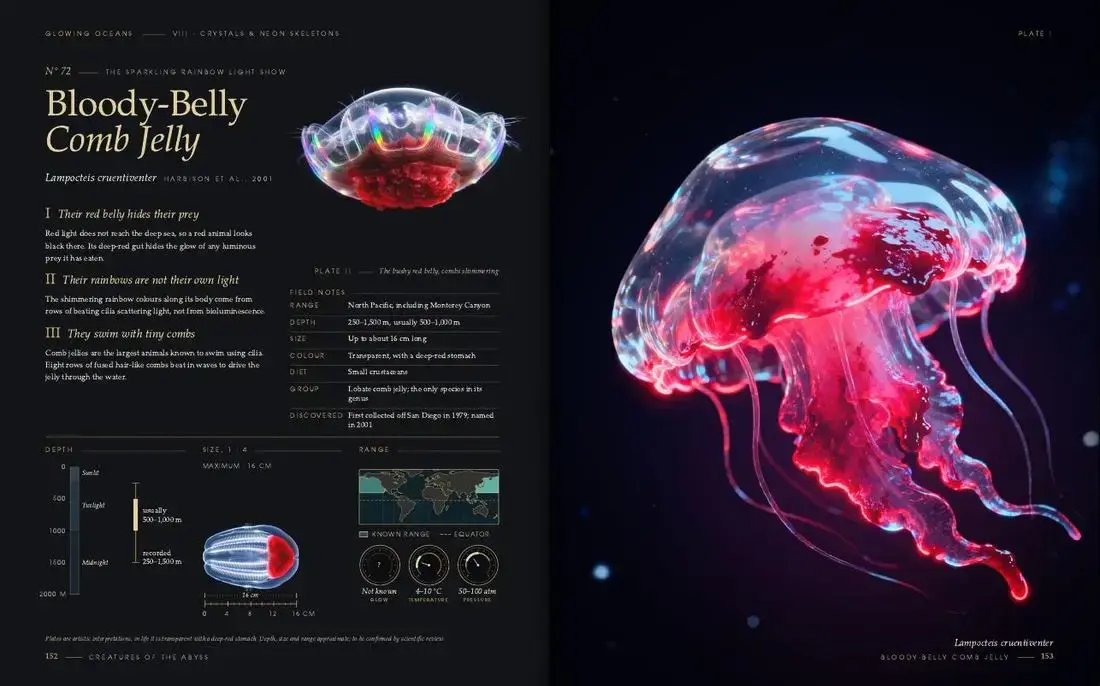
The six signs
A row of six signs, the same on every creature, lets even a young reader compare one with another at a glance.
How the book was checked
The book also has a guide to reading its pages, a glossary and an index. The plates are artistic interpretations and do not show the true colours of the living animal.