The Glowing Oceans journal: the deep sea and its light
Articles on the deep sea and bioluminescence, the glowing animals of the book, how its facts were checked, and the touring exhibition.
Below about two hundred metres the sea turns to a blue dusk, and below a thousand metres sunlight is gone. The journal follows the animals that live there and make their own light, using the facts gathered for Glowing Oceans, the field notes of each creature and the 294 sources listed in the book. New articles are added as new plates are finished and as the exhibition travels.
Start with how deep-sea animals make their own light, or meet the creatures one by one. Venues can read how the exhibition grows from a single wall to a whole city, and readers can see how every fact in the book was checked before it was printed.
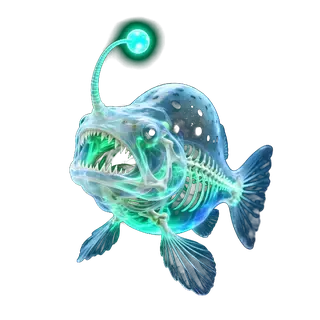
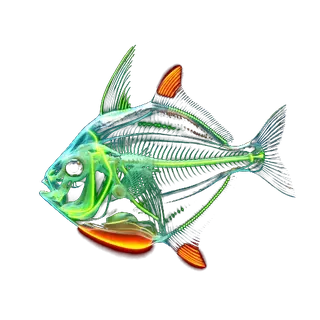
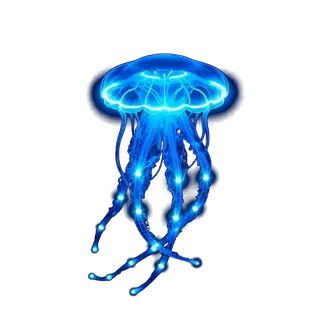
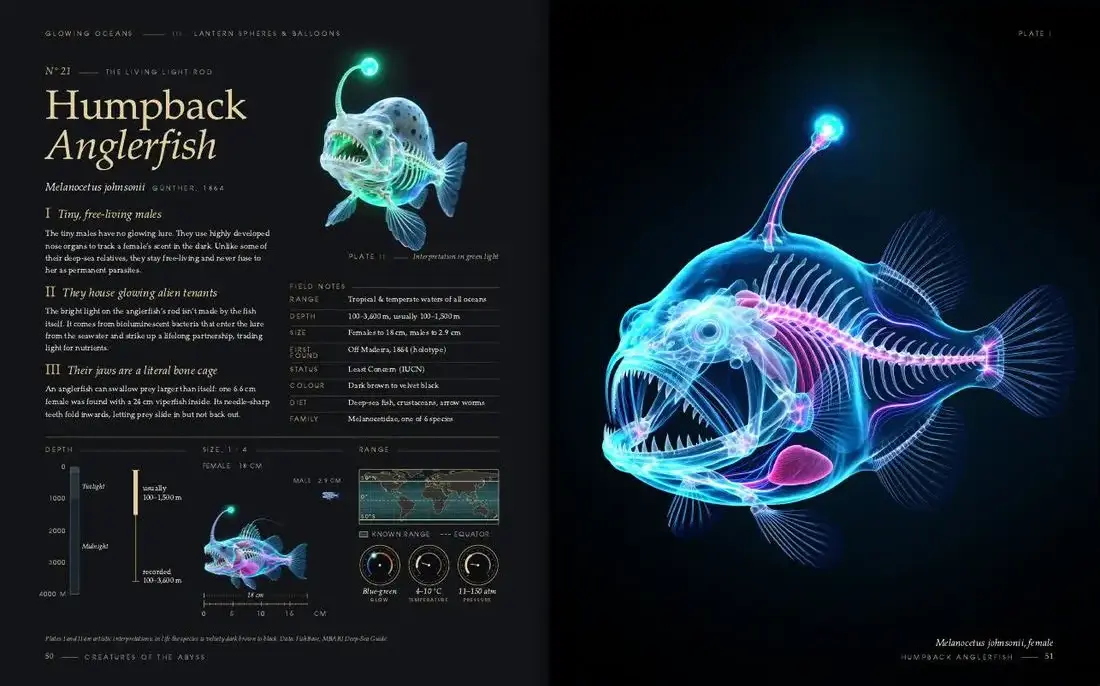 How deep-sea animals make their own lightBioluminescence explained: how anglerfish, jellies, squid and hatchetfish make light in the dark, and why most animals of the deep can glow.
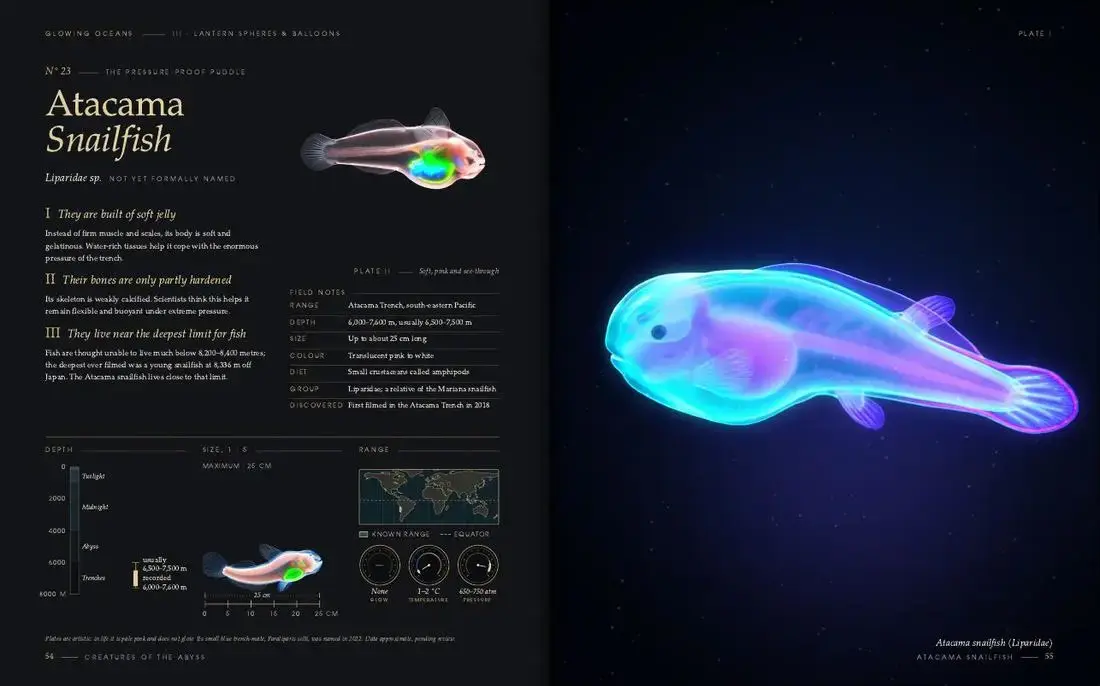 The five zones of the ocean, from the surface to the trenchesThe ocean in five zones: sunlit, twilight, midnight, abyss and hadal. How deep each one is, and which glowing creatures live there.
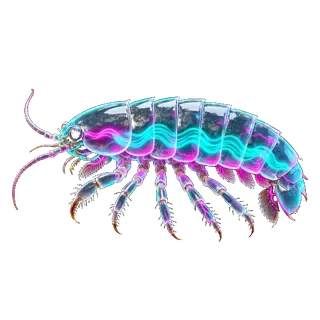
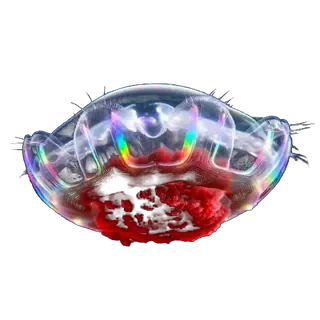
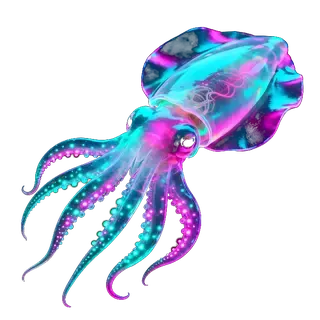
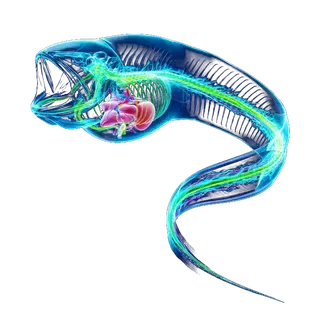
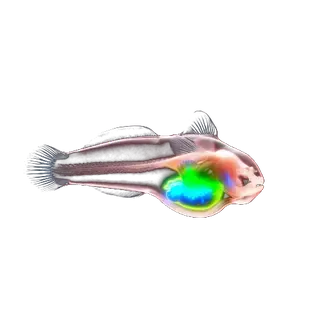
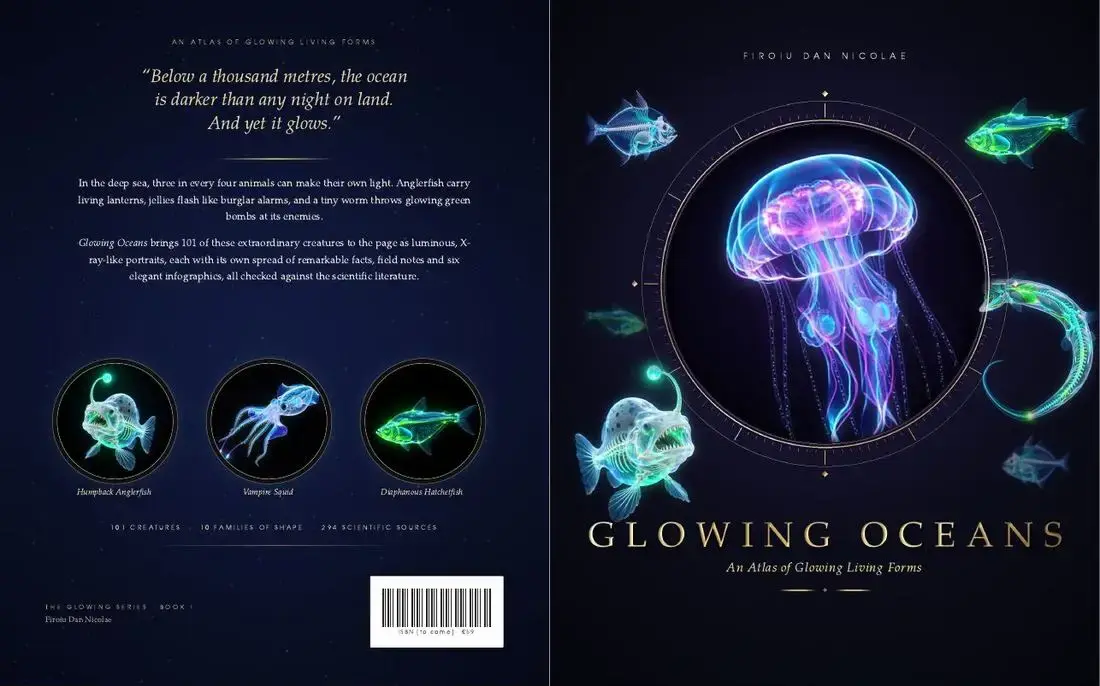 Eight creatures of the deep, and the light they makeMeet eight creatures from Glowing Oceans, from the pelican eel to the Atacama snailfish, each with a fact from the book.
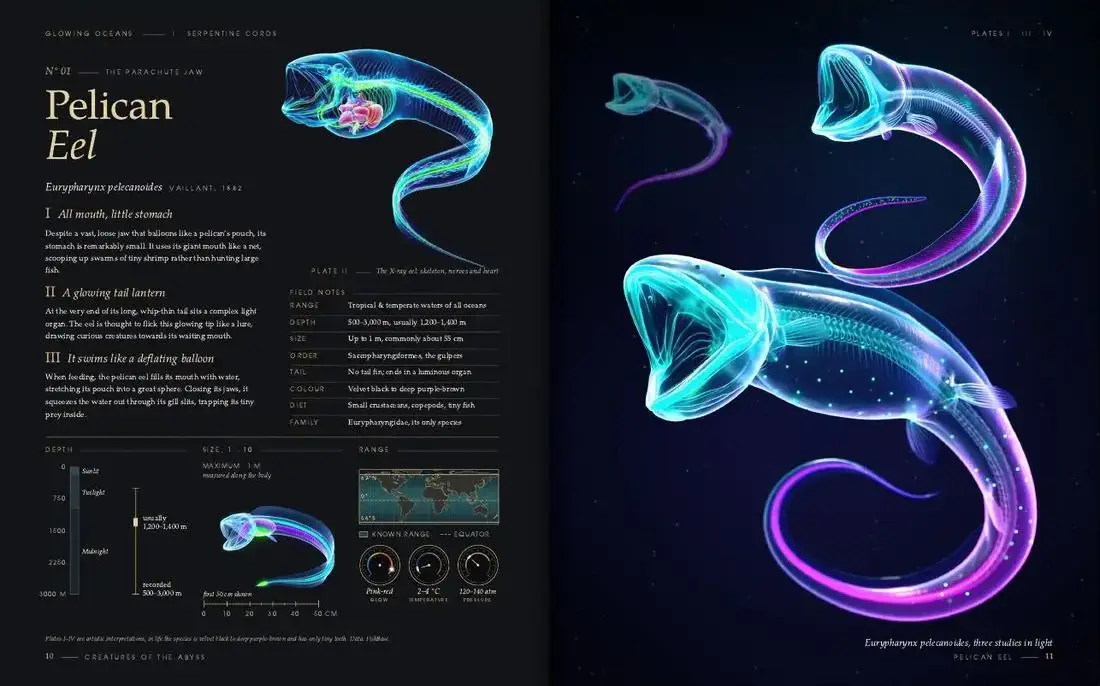 How every fact in Glowing Oceans was checkedHow the facts in Glowing Oceans were checked against FishBase, SeaLifeBase, WoRMS, MBARI and 294 sources, and why the plates are labelled as interpretations.
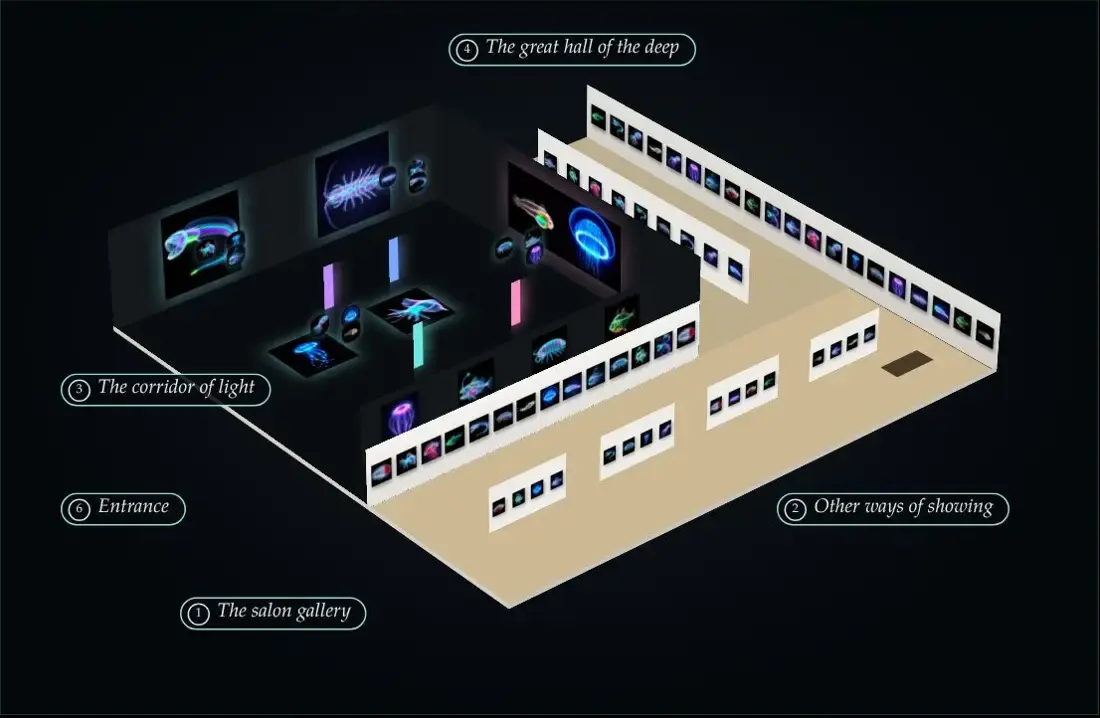 From one wall to a whole city: the exhibition at four scalesHow the Glowing Oceans exhibition grows with its venue: one gallery wall, a room of 100 to 200 m², a hall of 400 to 900 m², or 24 buildings across a city.