
From one wall to a whole city: the exhibition at four scales
The works of the book are also an exhibition, and it grows with the place that shows it.
By Firoiu Dan Nicolae · 26 October 2026
One wall
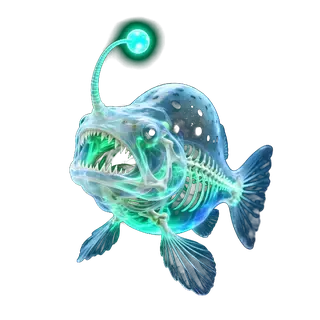
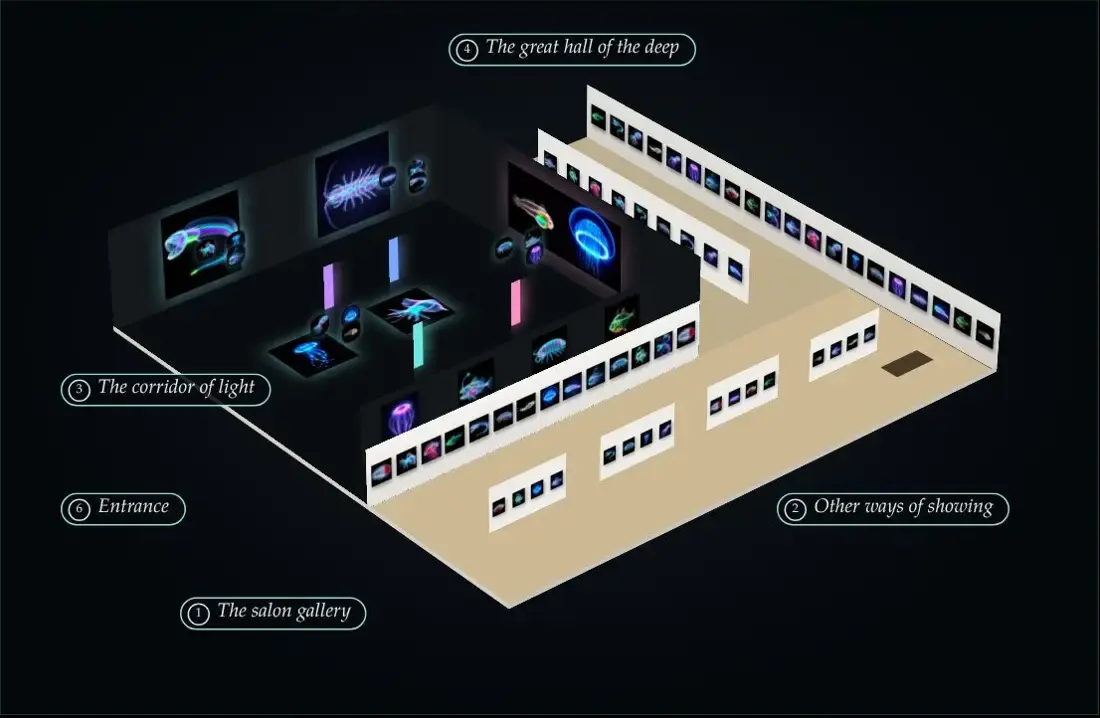
The smallest exhibition is a single wall: nine works on four metres, one at 100 cm in the centre and eight at 60 cm around it, hung in half a day under the gallery’s own lights.
A room
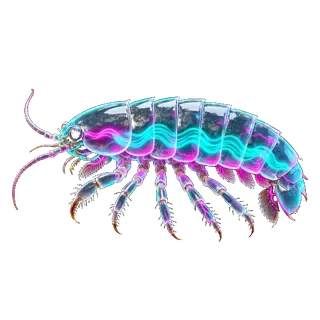
With a room of its own, the series becomes an exhibition: a route, a change of light, and creatures at many times their size. A room of 100 m² holds forty-five works round one great lightbox; three rooms over 200 m² hold about ninety, from light into dark.
A hall
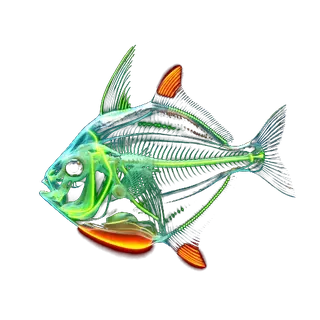
In a hall the visit becomes a dive, with salon walls in the light, a corridor of light, lightboxes three metres high, prints five metres tall and jellyfish cut out and hung from the roof. A hall of 900 m² shows about 290 works, nearly the whole series.
For every kind of venue
The same works are offered to museums, aquariums, science centres, galleries, exhibition centres and cities. With every showing come the wall texts and captions, with the depth and a sourced fact for each animal, and the book, shown beside the works and signed at the opening.
Choosing a size
The right size depends on the space, the season and the public. A gallery often starts with one wall and adds a room; a museum or an aquarium chooses a room or a hall; a city combines the trail outdoors with an indoor exhibition. Every plan is redrawn for the real venue.
A city
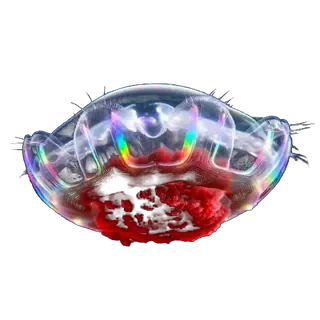
The largest exhibition has no walls of its own. Twenty-four creatures, five to ten metres across, are fixed to buildings along a seafront or a harbour, linked by a walk and lit at night. See all the designs or download the presentation.

Author and artist of Glowing Oceans and the Glowing Series. He wrote the book’s text, drew its 303 plates, and designs the exhibitions that grow out of it.
More about Firoiu Dan Nicolae →