How every fact in Glowing Oceans was checked
Glowing Oceans is a work of art that can be trusted: the plates are the artist’s vision, and everything printed beside them is natural history, checked.
By Firoiu Dan Nicolae · 26 October 2026
The sources
Every creature was checked against the scientific databases of the sea, among them FishBase, SeaLifeBase, the World Register of Marine Species and the MBARI Deep-Sea Guide, and against published studies. The book lists 294 sources at the back.
What the checking found
The research passes corrected factual errors such as wrong depth records, brought Latin names up to date where they had changed, and matched common names to the right species. Where a name had changed, the book was corrected.
Names, depths and ranges
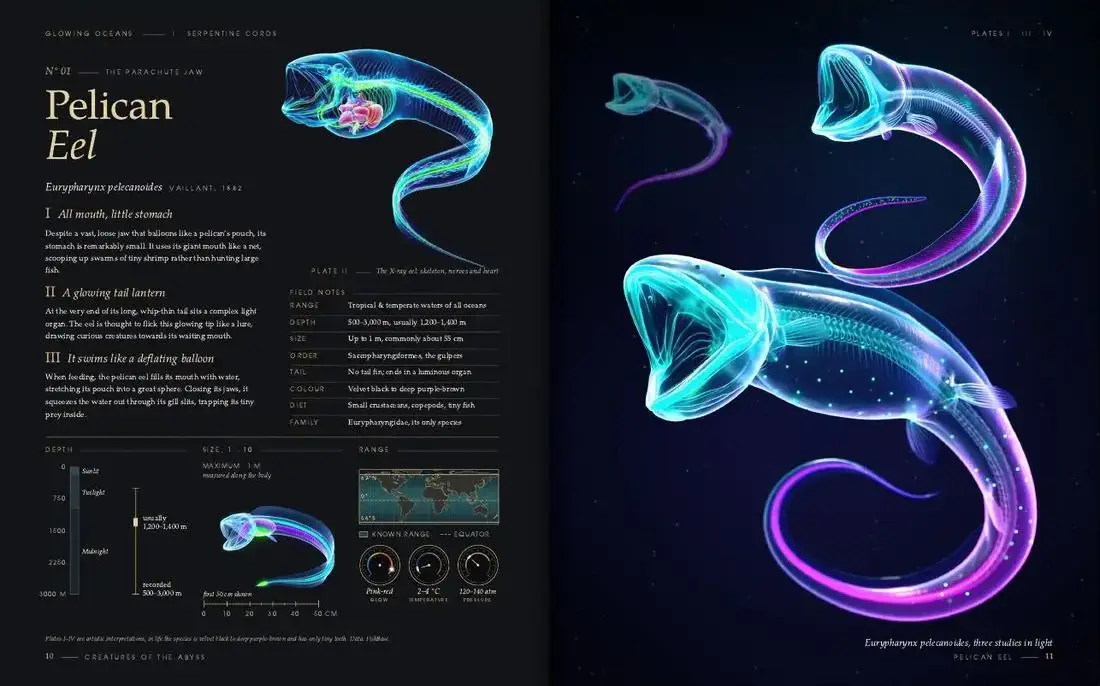
Each species is given its Latin name as currently accepted, with the people who described it and the year. Each has its depth, its size and its range on a world map, with the usual depth shown beside the full recorded range.
The six signs
Beside the facts, every creature carries the same six signs: depth, size, range, glow, water temperature and pressure. Because they are the same on every page, a reader can compare a jelly with a squid, or a fish of the twilight zone with one from a trench, at a glance. Depth and range are shown on scales and a map; glow, temperature and pressure on three dials.
Art and science, kept apart
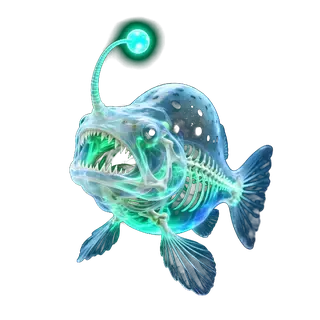
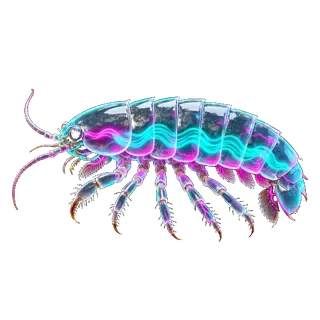
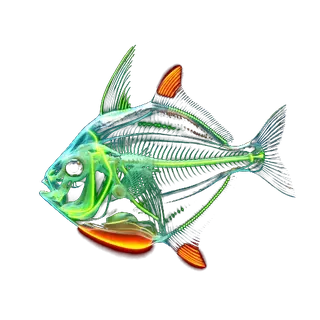
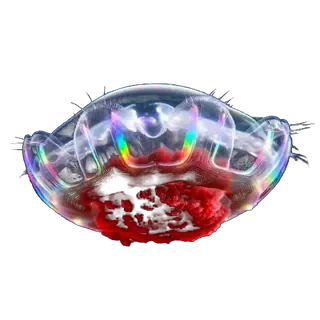
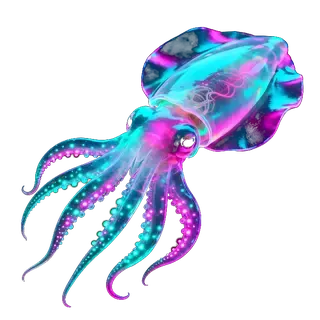
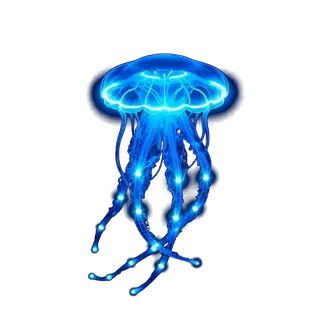
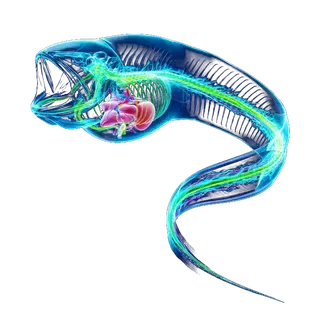
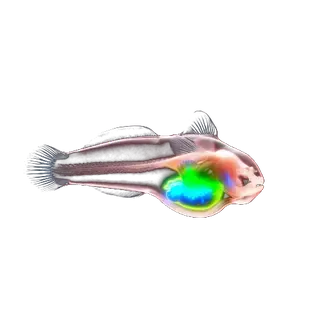
The plates are artistic interpretations and do not show the true colours of the living animals. The book says so, so that a reader always knows what is art and what is fact.

Author and artist of Glowing Oceans and the Glowing Series. He wrote the book’s text, drew its 303 plates, and designs the exhibitions that grow out of it.
More about Firoiu Dan Nicolae →