The deepest fish in the world: life in the hadal zone
Below six thousand metres lie the trenches of the hadal zone, the deepest places on Earth. Very few fish live there, and the deepest of all are snailfish.
By Firoiu Dan Nicolae · 26 October 2026
The hadal zone
The hadal zone runs from about 6,000 metres to the bottom of the deepest trenches, nearly 11,000 metres down. The water is close to freezing, there is no sunlight, and the pressure reaches more than a thousand times that at the surface.
The deepest fish ever filmed
In 2023, scientists announced footage of a young snailfish swimming at 8,336 metres in the Izu-Ogasawara Trench, south of Japan: the deepest fish ever recorded. Researchers think fish cannot live much deeper than about 8,200 to 8,400 metres, because their bodies cannot hold back the pressure below that.
The Atacama snailfish
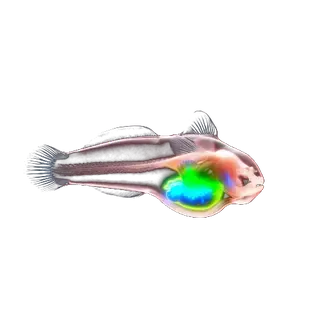
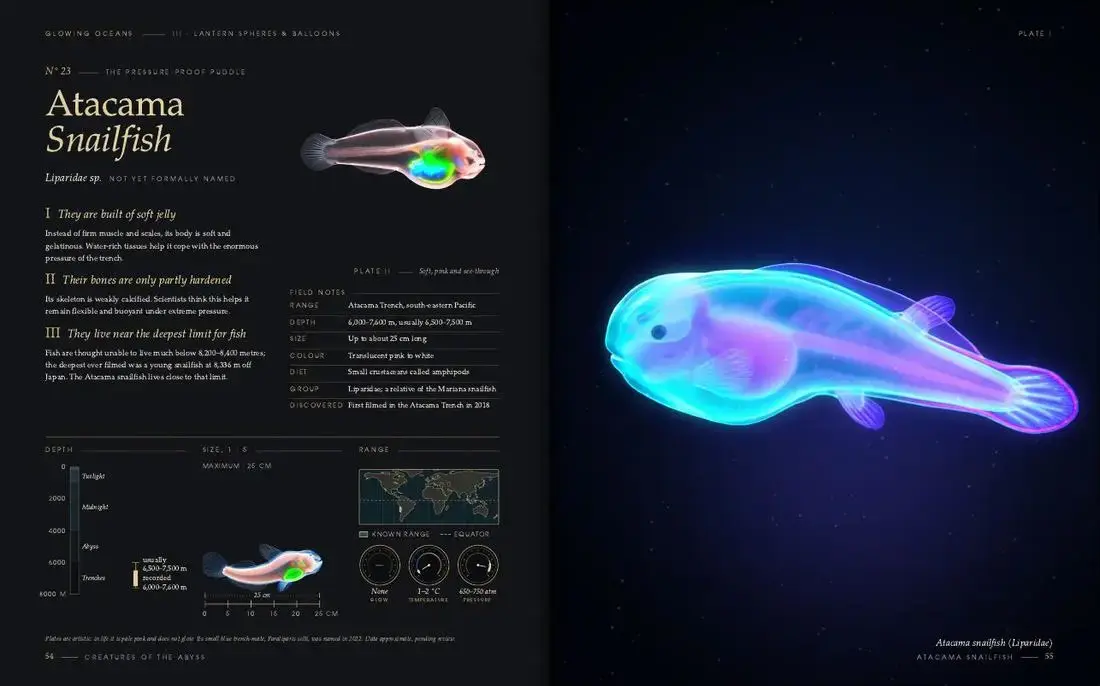
The Atacama snailfish lives in the Atacama Trench, off Peru and Chile, usually at 6,500–7,500 m. Instead of firm muscle and scales, its body is soft and gelatinous. Water-rich tissues help it cope with the enormous pressure of the trench. Its skeleton is weakly calcified. Scientists think this helps it remain flexible and buoyant under extreme pressure.
Built for pressure
Instead of armour, hadal snailfish are soft. A body of jelly-like tissue, bones that are only partly hardened and no swim bladder full of gas leave nothing for the pressure to crush. Fish are thought unable to live much below 8,200–8,400 metres; the deepest ever filmed was a young snailfish at 8,336 m off Japan. The Atacama snailfish lives close to that limit.
How deep the ocean goes
The deepest known point of the ocean is the Challenger Deep in the Mariana Trench, in the western Pacific, at nearly eleven kilometres. There are around thirty trenches deeper than six thousand metres, most of them around the Pacific, and each is its own isolated world, like an island turned upside down.
How scientists film them
Hadal fish are studied with landers: frames carrying cameras, lights and bait that are dropped from a ship, sink to the sea floor and are called back to the surface hours or days later. Many of the deepest animals have been seen only in this way.
Why fish stop at about 8,200 metres
Fish protect their bodies from pressure with a natural substance called TMAO, and the deeper they live, the more of it they need. Researchers think that somewhere around 8,200 to 8,400 metres a fish would need so much that its body would start drawing in seawater, which may be why no fish has been found deeper.
Life below the fish
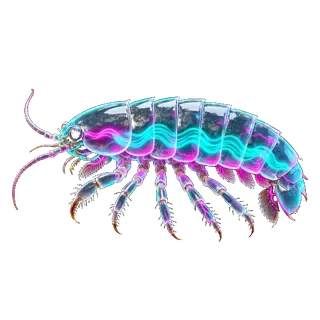
Fish are not the deepest animals. Small shrimp-like amphipods, sea cucumbers and other invertebrates live all the way down to the bottom of the deepest trenches, where no fish can follow.
In the book
The Atacama snailfish is the deepest of the creatures on this site, and its depth sign in Glowing Oceans reaches far below the others. Read about all five zones in The five zones of the ocean.

Author and artist of Glowing Oceans and the Glowing Series. He wrote the book’s text, drew its 303 plates, and designs the exhibitions that grow out of it.
More about Firoiu Dan Nicolae →